
Net Zero Nightmare Collapses: EU Slammed by “Implausible” Climate Report Bombshell
The IPCC has just admitted that its alarmist climate scenario is wrong. Problem: it is on this scenario that most of the EU's analyses and projections were based.

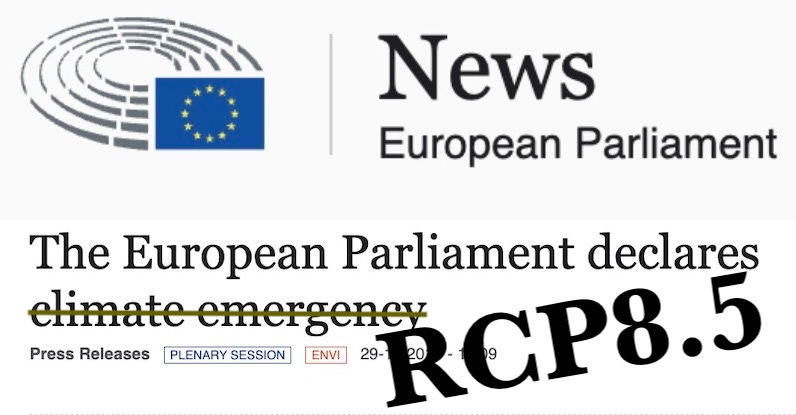
The European Union’s aggressive push for Net Zero is facing a major credibility crisis following the Intergovernmental Panel on Climate Change (IPCC) determination that the extreme high-emissions scenario RCP8.5 is “implausible.” This ruling threatens to unravel years of alarmist predictions that have driven costly regulations, subsidies, and green mandates across the bloc.
Those who, as early as 2010, drew attention to the essentially political nature of the IPCC scenarios, such as Donna Laframboise and your servant, were vilified, insulted, disqualified by EU officials and the paleopress.
Mainstream media outlets and EU officials have long relied on dire projections based on this scenario to justify everything from the European Green Deal to burdensome emissions targets. Those stories now belong in the recycling bin, alongside the apocalyptic warnings from European climate campaigners and officials. The fantasy sold to justify trillions in spending and lifestyle restrictions is crumbling.
The implications run deep
EU institutions and activist-influenced bodies have leaned heavily on RCP8.5-style assumptions to hype extreme weather forecasts and push through policies hammering industries, farmers, and households. Politicians bought into claims of catastrophic warming, flooding, and drought that justified sweeping regulations now strangling economic growth. All of it rests on foundations now officially flagged as false. Here are a few examples of the central role of the RCP8.5 scenario in European Union policies and communications:
1. European Environment Agency (EEA)
The EEA has heavily used RCP8.5 as its main “high-emissions” scenario in official climate risk assessments:
Sea-level rise projections for Europe.
Extreme fire weather days (Fire Weather Index).
Heatwaves, droughts, heavy precipitation, and river flooding maps.
EURO-CORDEX climate projections for 2041–2070 and 2071–2100 under RCP8.5.
These maps and data are widely published on the EEA website and used in EU communications. As recently as May 2024, the EEA published two ‘science’ paper uniquely based on the RCP8.5 scenario:
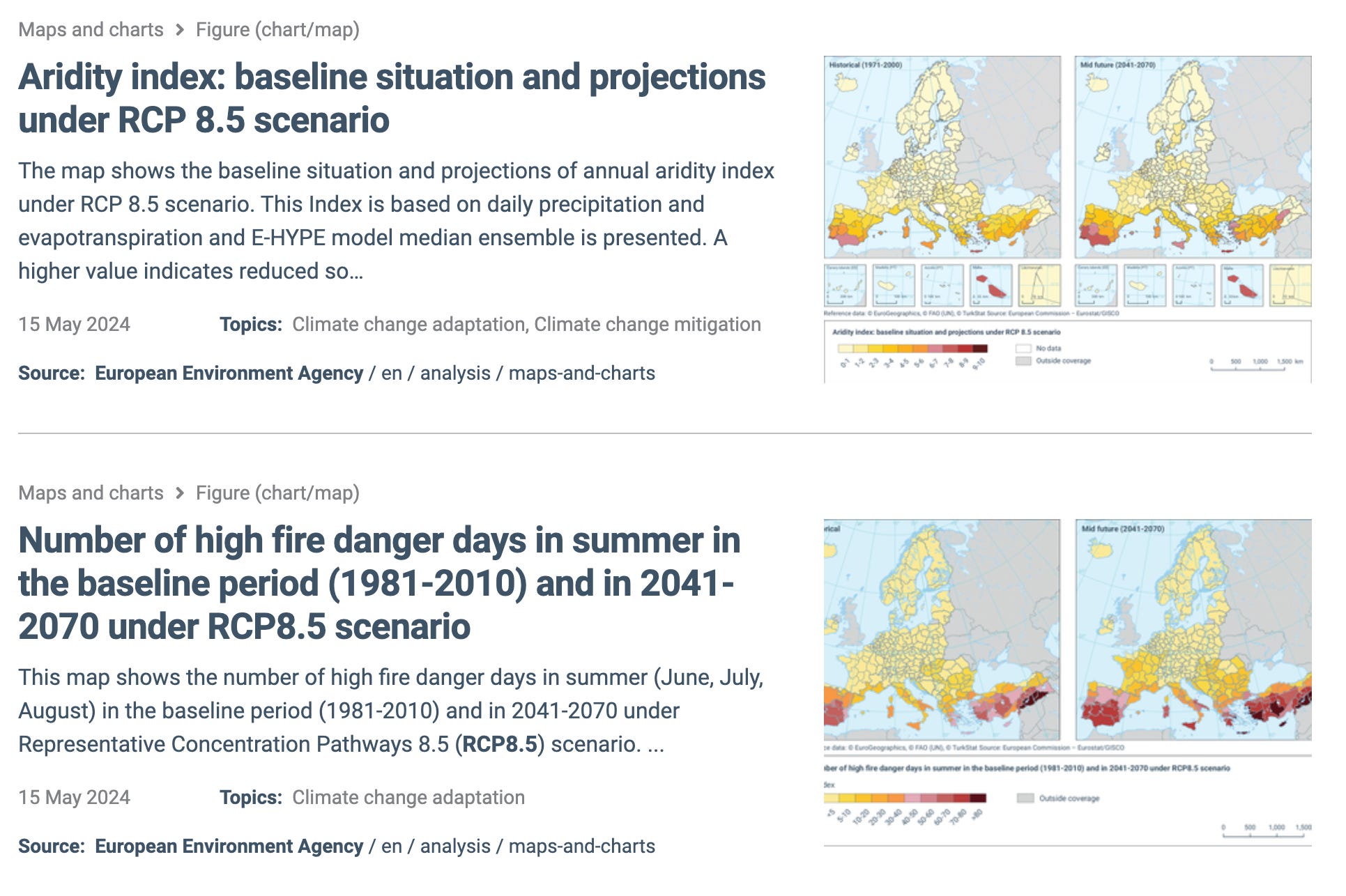
2. Joint Research Centre (JRC) – PESETA Projects
The JRC’s flagship PESETA series (Projections of Economic Impacts of climate change in Sectors of the European Union) extensively used RCP8.5:
PESETA I, II, III, and IV assessed impacts on agriculture, coasts, energy, tourism, transport, and human health.
RCP8.5 was systematically presented as the high-end / worst-case scenario to quantify potential damages and justify adaptation measures. “Assessing spatial shifts of the Mediterranean and arid climates under RCP4.5 and RCP8.5 climate projections in Europe” is one of the countless ‘science’ papers published by the EU on the topic.
3. Climate-ADAPT Platform
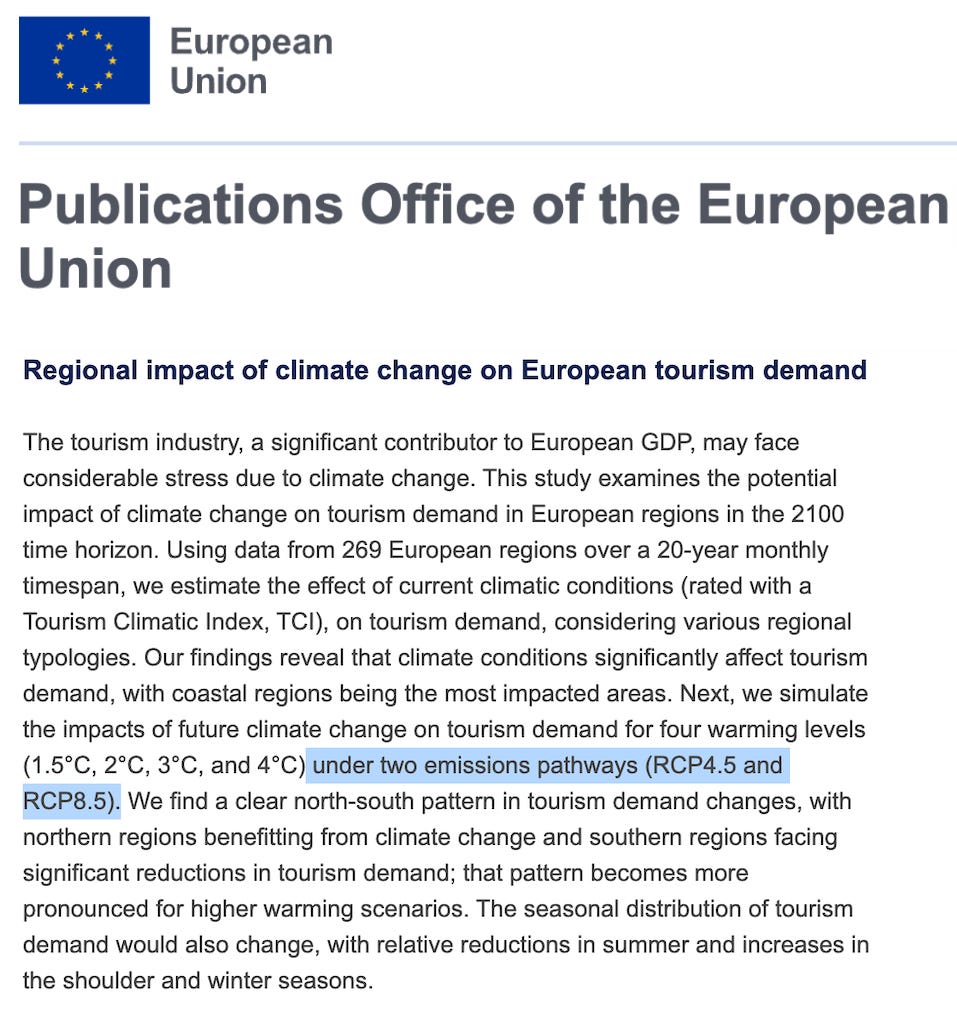
The official EU Climate-ADAPT platform (managed by EEA + European Commission) integrates RCP8.5 projections for national and regional adaptation strategies across Europe. For example, “the authors simulate the impacts of future climate change on tourism demand for four warming levels (1.5°C, 2°C, 3°C, and 4°C) under two emissions pathways (RCP4.5 and RCP8.5).” states one of the ‘science’ paper published by this EU platform:
4. European Central Bank (ECB) and NGFS Climate Stress Tests
The ECB and the Network for Greening the Financial System (NGFS) used scenarios based on RCP8.5 (“Hot House World” scenario) for climate stress tests of European banks.
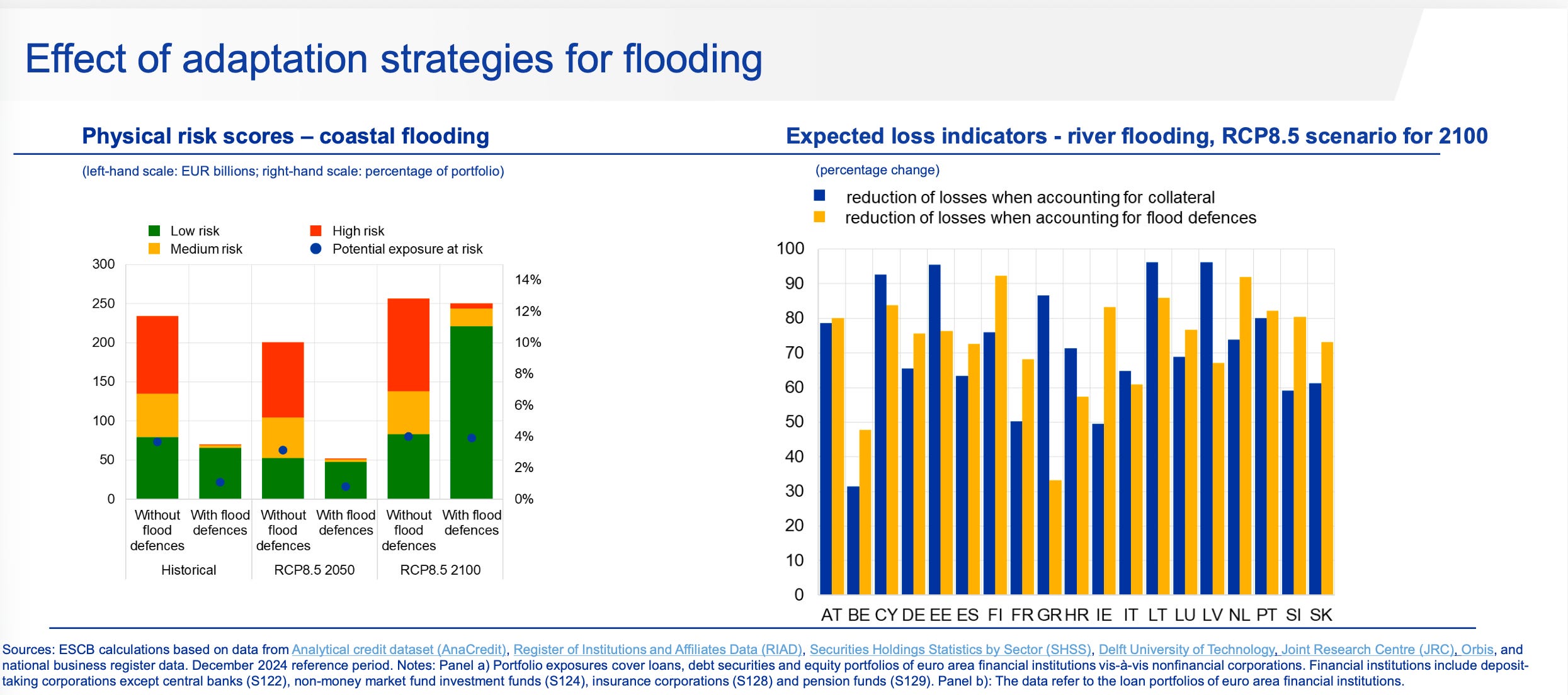
These tests evaluate the financial risks to the banking sector under warming pathways. For example, the update of the official ESCB statistical climate indicators published by the ECB in November 2025 is mainly based on the RCP8.5 scenario. Here is the case of Effect of adaptation strategies by the ECB for flooding; the only scenario taken into account by the ECB is the RCP8.5:
5. Other Major EU-Funded Projects
ClimateCost project (EU-funded): explicitly modelled RCP8.5 for Europe.
Studies on water resources, soil erosion, Mediterranean ecosystems, and energy production frequently used RCP8.5 as the reference high-emissions pathway.
Many Fit for 55 and Green Deal impact assessments referenced high-end RCP8.5-based projections to illustrate the “urgency” of action.
To summarize: RCP8.5 was routinely used as the key “plausible worst-case” scenario in EU’s risk assessments, economic damage projections, adaptation planning, and public communication for over a decade. It helped justify the scale and urgency of regulations, subsidies, and spending. To put it simply: the massive regulatory edifice built by the EU in the area of climate policy is based on a scenario that the IPCC itself now considers to be false. Governments across member states incorporated these “plausible” (read: implausible) forecasts into decision-making.
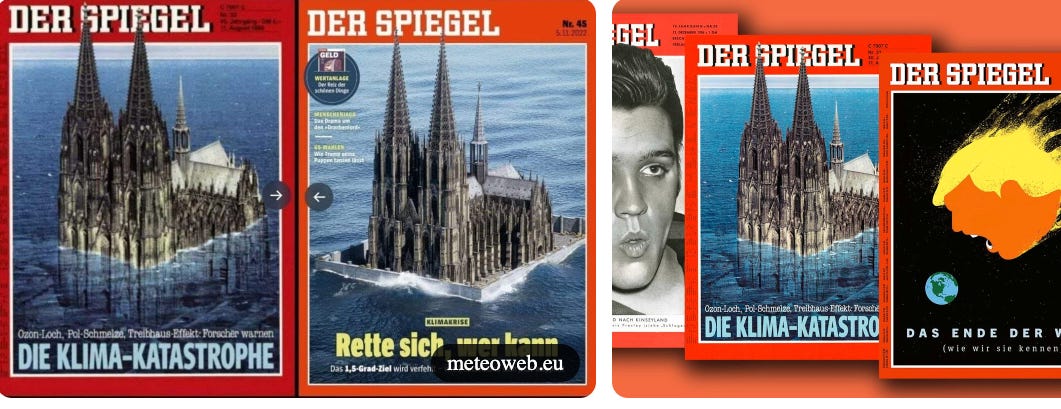
Science writer Roger Pielke Jr. highlights the significance, noting the scenario produced “impossible futures” that nonetheless dominated research, headlines, and policy for nearly two decades. The IPCC’s shift has gained traction online, but major European media have largely stayed silent — the same outlets that amplified the most extreme claims now have the most to lose.
Rare exceptions appeared in outlets like the Dutch De Volkskrant, which ran a front-page piece on the UN panel dropping the doomsday scenario. German papers such as Berliner Zeitung and Die Welt also noted that extreme scenarios had played an outsized role in public debate for too long, with one observing how a lobby elevated the most sensationalist projections in science, media, and politics — only for it to prove unrealistic.
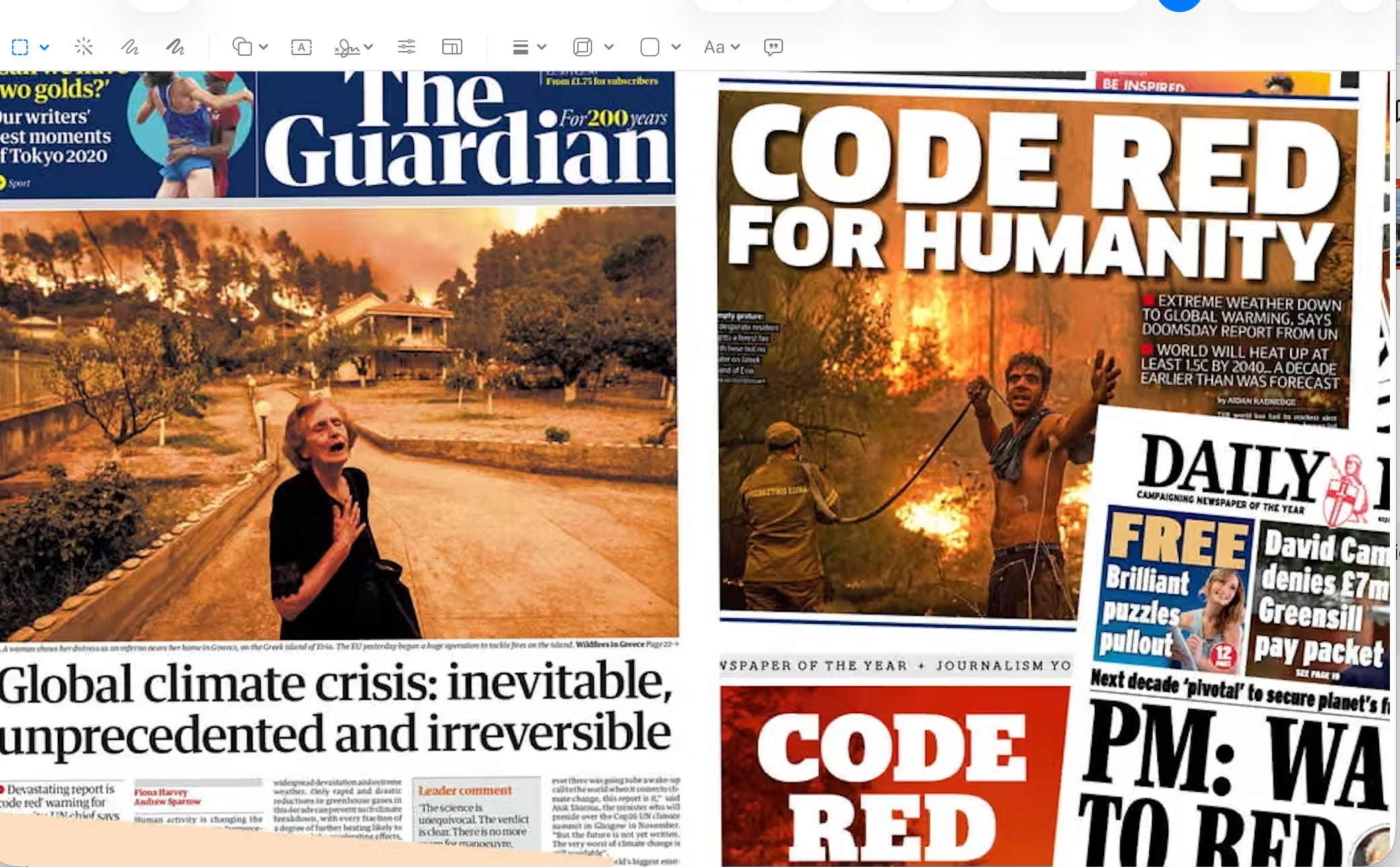
Leading journals Nature and Science have published thousands of studies relying on these high-emission assumptions. Despite claims that the field had moved on, data shows continued heavy use in 2026 and prior years.
The fallout for the EU is enormous
Careers in climate science and policy, massive public spending, and trust in institutions hang in the balance. Regulations imposing huge costs on European businesses — from carbon border taxes to EV mandates and heating bans — were sold on these worst-case assumptions. Net Zero supporters lose the key tool in their arsenal for the Great Reset-style transformation of the economy.
Brussels has poured enormous resources into the Green Deal, with binding targets, renewable mandates, and penalties for non-compliance. Farmers protesting in the streets, energy prices spiking, and deindustrialization warnings were all waved away with climate emergency rhetoric rooted in these implausible projections.
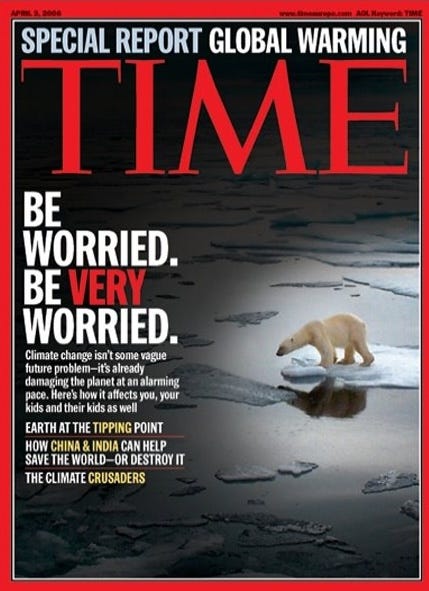
Don’t expect a quick policy reversal. Entrenched interests in the EU bureaucracy, green NGOs, and compliant media will fight to keep the narrative alive. Just recently, during a conference in Brussels, a senior official of the European Commission was seen assaulting a leading scientist who was praising the return to reason in the climate debate. . . But reality is catching up.
The implausibility ruling exposes how fearmongering, not sound science, drove much of the green agenda. European citizens — facing higher bills, restricted choices, and economic pain — deserve a full accounting.
The Net Zero experiment, built on sand foundations, is unraveling. It’s past time for Brussels to reconsider before more damage is done to prosperity and freedom across Europe.
Drieu Godefridi